China switches humanoid robots to 'work mode': 10,000 units by year-end
Beijing is launching a nationwide program designed to bring humanoid robots from the demo phase into real jobs. Local authorities and state enterprises must submit plans by the end of June – the goal is 10,000 actually deployed units by the end of 2026.
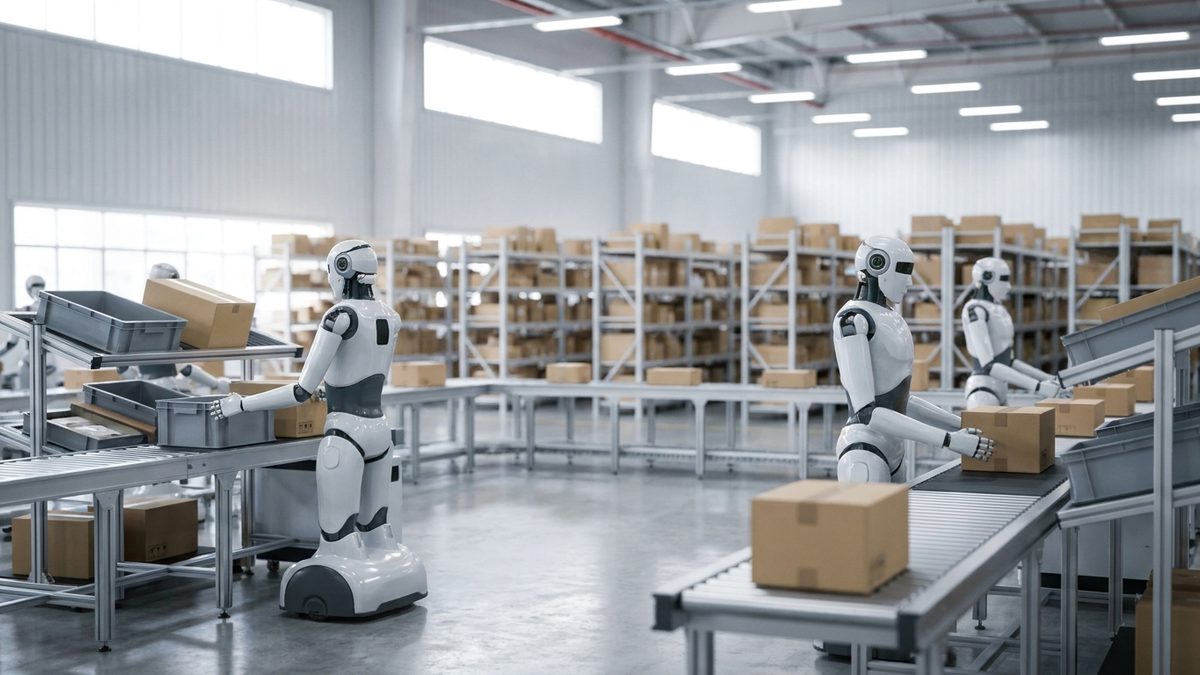 Symbolic image · AI-generated
China is accelerating its efforts on humanoid robots – and it's being mandated from the top. The Ministry of Industry and Information Technology has launched a nationwide program aimed at rapidly bringing humanoids and 'Embodied AI' into real industrial applications. Instead of further impressive stage performances, the focus is now on practical everyday utility.
The timeline is tight: Local governments and state enterprises must submit concrete implementation plans by the end of June and report on progress by the end of November. The stated goal is to have around 10,000 humanoid units actually in operation by the end of 2026 – in factories, logistics centers, hospitals, and even in rescue and disaster response.
The initiative is backed by enormous funding. China has established a state venture capital fund of around 138 billion US dollars for AI, robotics, and related sectors. This combination of political pressure and capital creates a pull-through effect in demand unlike any currently seen in Western markets.
This has implications far beyond China. When manufacturers like Unitree, AgiBot, or UBTECH ramp up their production volumes based on guaranteed domestic demand, unit costs fall – and with them, prices for the entire global market. The effect is the same as it was previously with solar panels and battery cells: scaling in China drives down prices globally.
For buyers and market observers, this means two things. On one hand, humanoids become more affordable and available more quickly. On the other hand, competition intensifies for Western providers who, without comparable state procurement guarantees, depend on commercial customers. The race to industrialize humanoid robotics has thus reached a new dynamic.
This article was created with the support of artificial intelligence and editorially reviewed. The article image is an AI-generated symbolic image, not a press photo.