Inspecting Used Robots: The Checklist Before You Buy
A used robot can be a bargain or a money pit. With this checklist, you'll spot the difference before you pay.
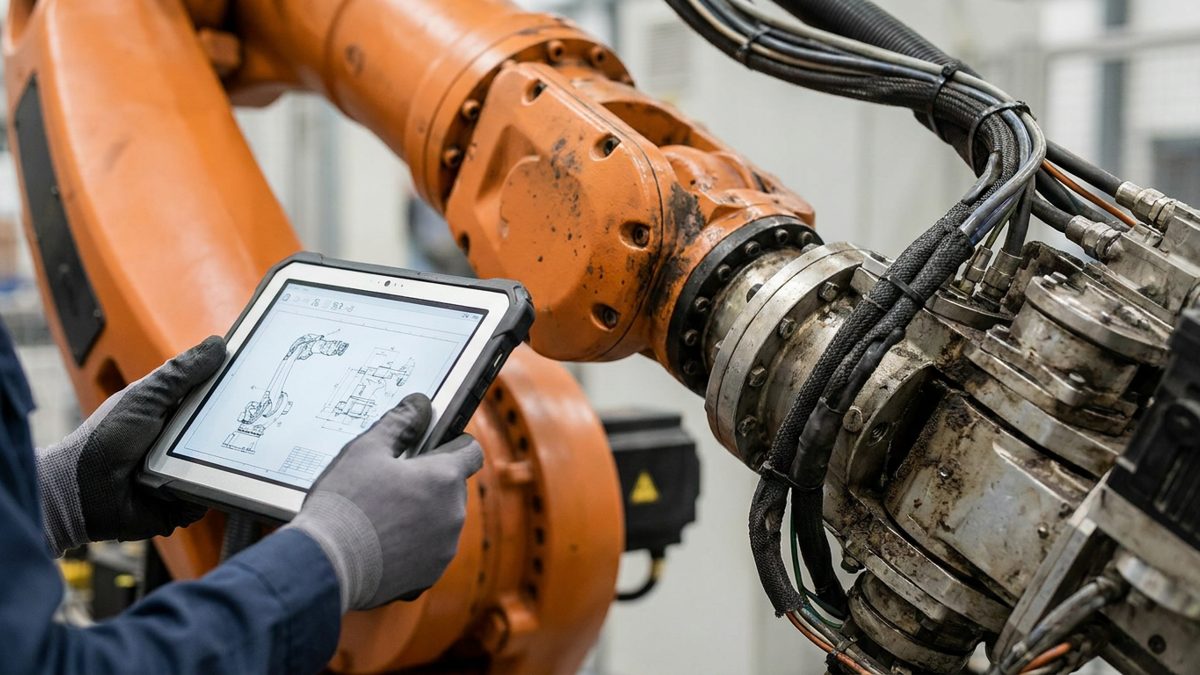 Symbolic image · AI-generated
Used robots are one of the best ways to get into automation cost-effectively or equip a research laboratory. But as with any technical used equipment purchase, the care you take before buying determines whether the device is a good investment or an expensive disappointment.
First, clarify the history: How many operating hours does the robot have? Was it serviced regularly, and is documentation available? What environment did the equipment come from – a clean laboratory application leaves different traces than continuous operation in a foundry. Ask about the reason for the sale.
Next, check technical completeness. Are the controller, cables, gripper, and software included? Missing or manufacturer-specific components can be expensive and difficult to obtain. Clarify whether the software version is still supported and whether licenses are transferable – a frequently underestimated point.
If possible, have the equipment demonstrated in operation. Watch for unusual noises, play in the joints, accuracy when moving to positions, and error messages in the controller. For high-value equipment, an independent assessment can be worth the extra cost.
Finally, complete the purchase with proper safeguards. Payment through the escrow service gives you a clear basis if the equipment doesn't match the description. Document the agreed condition in writing – this protects both sides and ensures a fair conclusion.
This article was created with the support of artificial intelligence and editorially reviewed. The article image is an AI-generated symbolic image, not a press photo.